
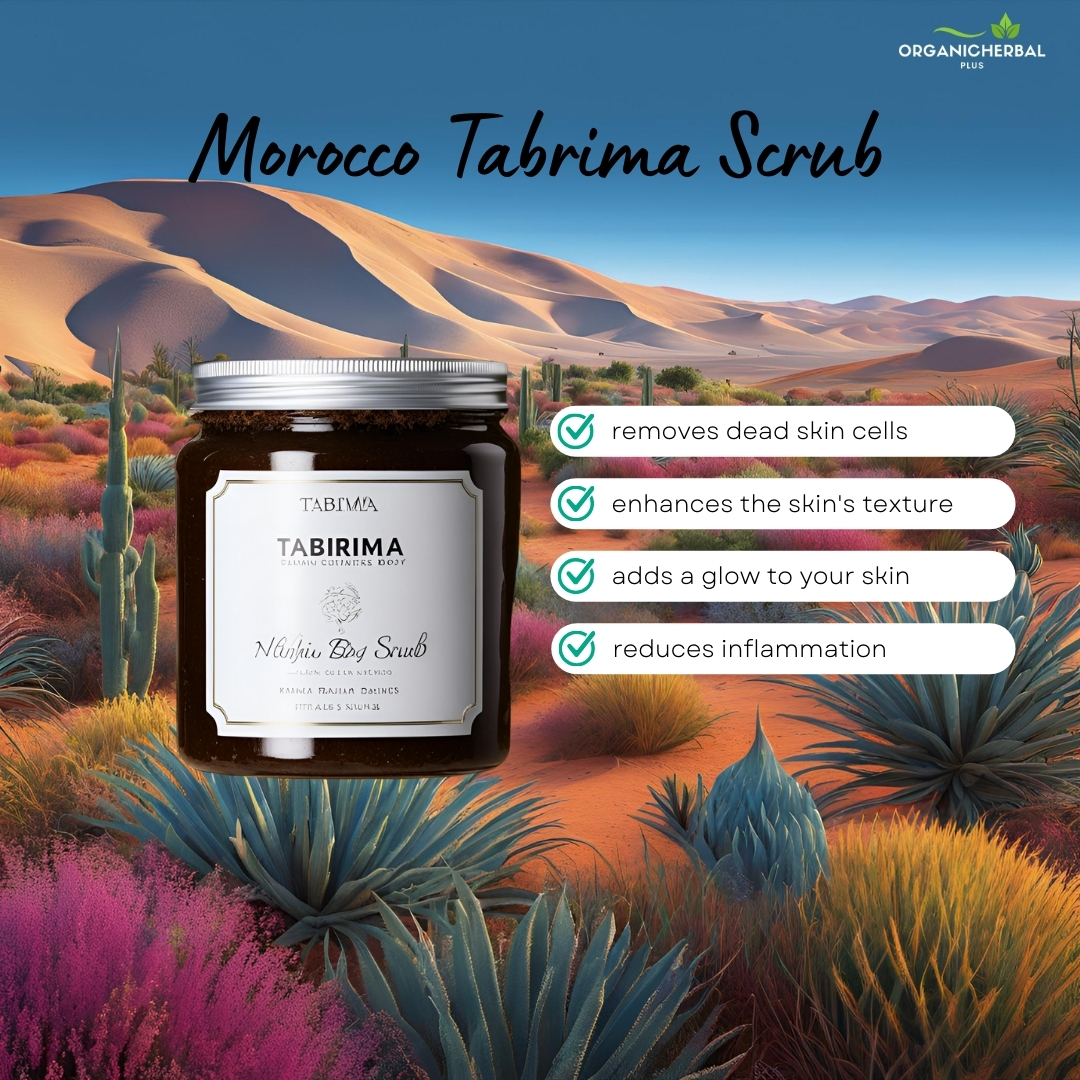
The Art of Exfoliation: Exploring the World of Tabrima Morocco Herbal Scrubs
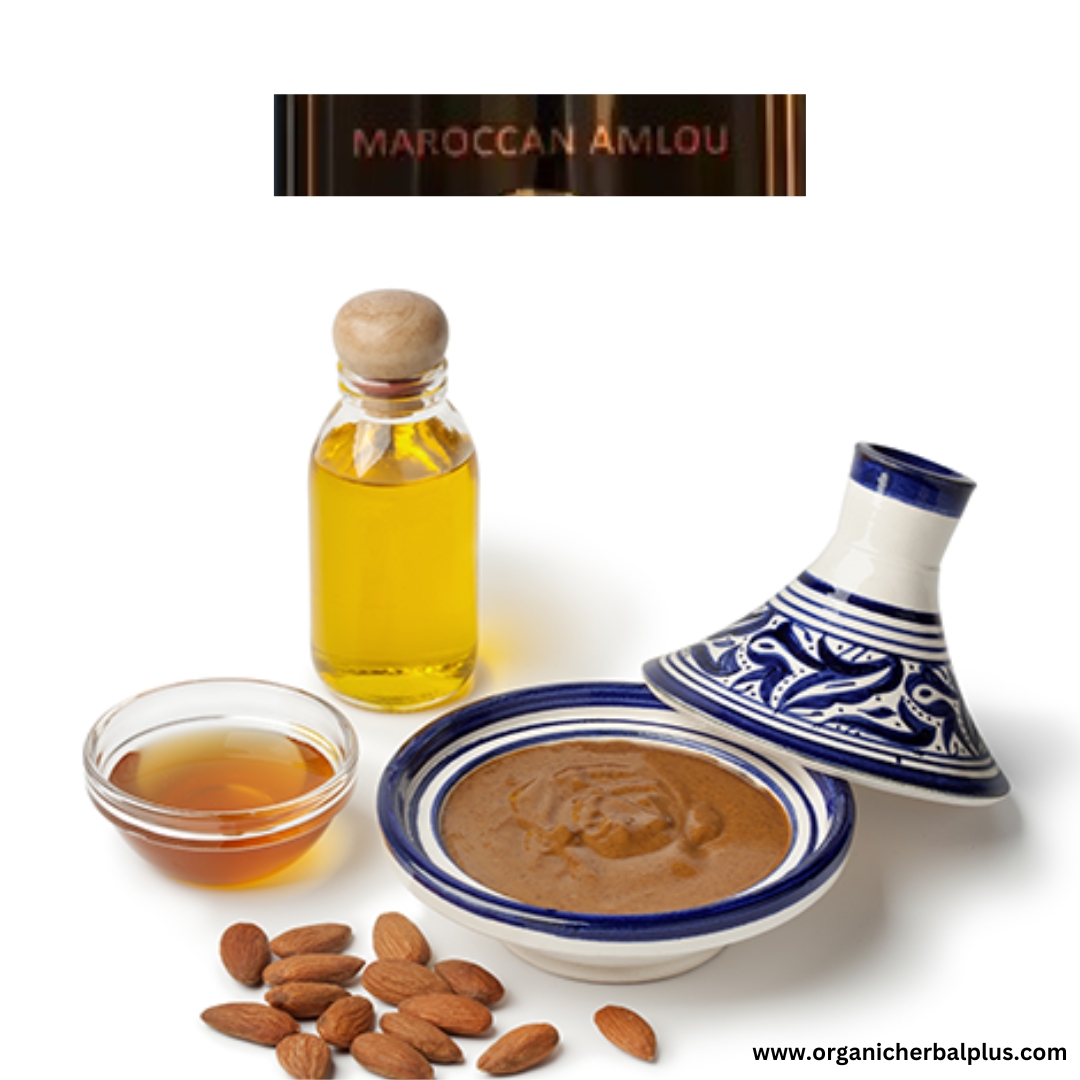
“Amlou: The Perfect Blend of Roasted Peanuts, Argan Oil, and Honey for a Healthy Snack”
What is Amlou? Moroccan Amlou is a traditional North African spread made from a delicious blend of roasted peanuts, argan oil, and honey. This 100% natural spread is not only a treat for the taste buds, but also offers a multitude of health benefits. In this blog post, we’ll delve into the secrets of Moroccan Amlou and explore its benefits for overall health and wellbeing. Amlou is a traditional Moroccan dip or spread made from roasted almonds, honey, and argan oil. It’s a popular snack in Morocco, often served for breakfast or afternoon tea with pancakes and pastries. Amlou has a thick, brown paste-like texture similar to peanut butter, with a nutty flavor dominated by almonds and a hint of sweetness from honey. Benefits of Amlou Amlou is a treasure trove of benefits for overall health and wellbeing. Here are just a few: How to Enjoy Amlou? Amlou is a versatile spread that can be enjoyed in a variety of ways. Here are a few ideas:
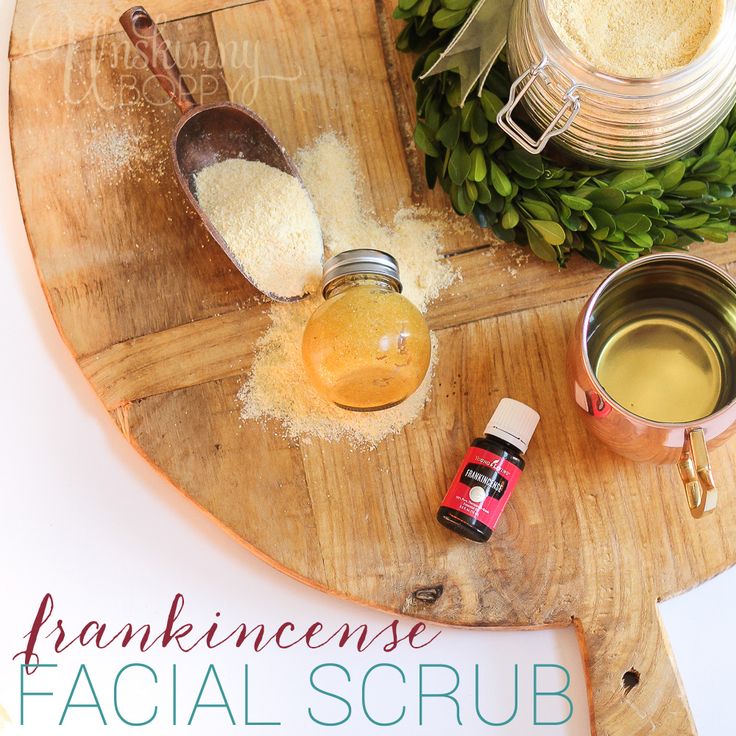
“Say Goodbye to Dull Skin: How Frankincense Scrub Can Help”
Are you tired of using harsh exfoliants that leave your skin feeling dry and irritated? Look no further! Frankincense scrub is a natural, gentle, and effective way to exfoliate and revitalize your skin. In this blog post, we’ll explore the miraculous benefits of frankincense scrub and how it can help you achieve radiant, healthy-looking skin. Frankincense is a natural resin extracted from the Boswellia tree, native to the Middle East and North Africa. For centuries, frankincense has been used in traditional medicine, spiritual rituals, and skincare practices. Benefits for Different Skin Types: How to Incorporate Frankincense Scrub into Your Skincare Routine: Precautions and Contraindications As with any new skincare product, there are some precautions and contraindications to be aware of:
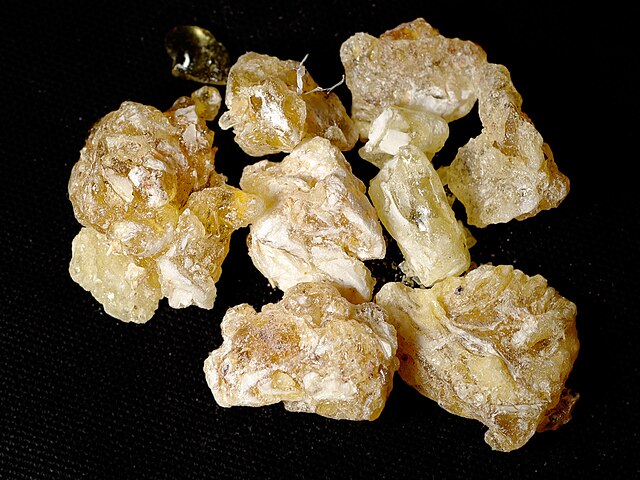
Frankincense: A Natural Moisturizer for Radiant Skin
For centuries, frankincense has been revered for its medicinal and spiritual properties. This ancient resin, extracted from the Boswellia tree, has been used to treat a variety of ailments, from inflammation to skin conditions. In this blog post, we’ll explore the benefits of frankincense as a natural moisturizer and how it can help you achieve radiant, healthy-looking skin. What is Frankincense? Frankincense is a natural resin extracted from the Boswellia tree, native to the Middle East and North Africa. For centuries, it has been used in traditional medicine, spiritual rituals, and skincare practices. Benefits of Frankincense for Skin

“Nourish Your Locks: The Miraculous Benefits of Prickly Pear Hair Mask”
Are you tired of using chemical-laden hair products that strip your hair of its natural oils? Look no further! Prickly pear hair mask is a game-changer for hair care. This natural, nutrient-rich mask is packed with antioxidants, vitamins, and minerals that will leave your hair feeling soft, silky, and rejuvenated. What is Prickly Pear? Prickly pear is a type of cactus that is native to the Americas. The fruit of the prickly pear cactus is rich in vitamins A, C, and E, as well as minerals like potassium and magnesium. These nutrients make prickly pear an excellent ingredient for hair care. Benefits of Prickly Pear Hair Mask: How to Use Prickly Pear Hair Mask:

“Say Goodbye to Dry Skin: How Argan Oil Moisturizer Can Help | Argan Oil Benefits”
The Struggle of Dry Skin Dry skin is more than a superficial annoyance—it’s a sensory alarm bell. The tightness, flaking, and dullness whisper that your skin’s barrier is compromised and that moisture is slipping away. For many, the quest for relief leads through aisles of creams that promise much but deliver little. When you’re battling dryness day after day, the frustration builds. Understanding What Causes Dry Skin Environmental Triggers Low humidity, harsh wind, central heating, and UV exposure all conspire to steal moisture from your skin’s surface. Environment becomes a relentless drainer of hydration. Lifestyle and Habits Long hot showers, frequent exfoliation, inadequate water intake, and strong soaps may seem innocent, but collectively they erode natural oils and lipids that keep your skin resilient. The Role of Aging and Skin Type As we age, sebum and lipid production decline; the skin’s natural “cement” weakens, making even previously “normal” skin susceptible to dryness. Genetics and skin type further tilt the equation. Why Traditional Moisturizers Often Fall Short Hidden Chemicals and Synthetic Ingredients Many conventional moisturizers rely on occlusive films or synthetic humectants that trap water superficially—but they may not fortify the barrier or deliver long‑term improvement. Temporary Hydration vs. Deep Nourishment The slick feel of a cream may fool you into thinking your skin is hydrated—but without bolstering the lipid matrix, the relief is fleeting. A genuine solution aims deeper. Enter Argan Oil: Nature’s Liquid Gold The Origins of Argan Oil Harvested from the kernels of the Argania spinosa tree in Morocco, argan oil has been prized for centuries for its nourishing and protective properties. The Traditional Moroccan Extraction Process Women’s cooperatives hand‑crack the argan nut and cold‑press the oil—ensuring the precious nutrients remain intact and honoring a heritage of sustainable, artisanal production. The Rich Nutrient Profile of Argan Oil Vitamin E: The Antioxidant Powerhouse Argan oil is rich in tocopherols (vitamin E), which help protect skin from oxidative stress and support its hydration and integrity. Essential Fatty Acids for Skin Elasticity High concentrations of oleic and linoleic acids replenish the lipid barrier and help maintain skin’s suppleness. ResearchGate Plant Sterols and Polyphenols: The Unsung Heroes These lesser‑known compounds in argan oil contribute anti‑inflammatory and barrier‑supporting benefits, lending depth to its nourishing action. PMC How Argan Oil Moisturizer Transforms Dry Skin Deep Penetration and Lasting Hydration Unlike many heavy creams, argan oil provides hydrating lipids that penetrate the skin and contribute to lasting hydration rather than mere surface lubrication. Repairing the Skin Barrier By replenishing essential lipids and supporting the skin’s natural structure, argan oil helps rebuild the barrier that prevents moisture loss and intrusion by irritants. Reducing Inflammation and Flakiness Because of its anti‑inflammatory profile, argan oil can calm irritation, reduce redness, and smooth flaky patches—a notable advantage for persistent dryness. Anti-aging: Argan oil’s antioxidants and fatty acids may help reduce signs of aging, such as fine lines and wrinkles, and improve skin texture. Sebum regulation: Argan oil can help balance sebum production, making it suitable for both dry and oily skin types. Argan Oil vs. Conventional Moisturizers The Natural Advantage Argan oil offers a simpler, cleaner formula with fewer synthetic additives, aligning with the growing preference for botanical, minimally processed skincare. Lightweight Yet Intensely Hydrating Despite its potency, argan oil feels light and absorbs quickly—avoiding the “heavy cream” sensation that can feel sticky or clogging. For Every Skin Type: Universal Hydration Dry Skin For skin that is chronically parched, argan oil provides rich nourishment without heaviness. Combination Skin Its balancing fatty acid profile helps hydrate dry zones without overloading oily areas. Sensitive Skin Thanks to its gentle, botanical composition, argan oil can be a soothing option for sensitive, reactive, or inflammation‑prone skin. Cleveland Clinic The Healing Power of Antioxidants Argan oil’s antioxidants neutralize free radicals, mitigate UV‑ and pollution‑related damage, and contribute to healthier, more resilient skin over time. Healthline Anti‑Aging Benefits Beyond Moisture Studies on post‑menopausal women found that topical and oral Argon oil improved skin elasticity and reduced signs of aging—demonstrating that its benefits extend beyond simple hydration. PMC+1 Argan Oil for Skin Conditions Eczema Relief By restoring the skin barrier and reducing inflammation, argan oil can help soothe eczema‑related dryness and redness. Cleveland Clinic Soothing Psoriasis While more research is needed, its lipid‑rich, anti‑irritant nature makes argan oil a promising adjunct for flaky, psoriatic skin patches. Managing Rosacea By calming vascular and inflammatory responses, argan oil may assist sensitive skin prone to rosacea with less irritation. How to Apply Argan Oil Moisturizer Effectively Timing Matters: After Cleansing Apply argan oil on slightly damp skin, immediately after cleansing, to lock in the remaining moisture and enhance absorption. The Right Quantity and Method A few drops massaged gently into face and neck suffice. For body dryness, a slightly larger amount can be warmed in the palms and applied broadly. Combining Argan Oil with Other Natural Ingredients Aloe Vera for Cooling Hydration Pairing argan oil with aloe gel creates a soothing duo for skin that’s hot, irritated, or freshly sun‑exposed. Shea Butter for Richer Texture For very dry body areas (elbows, shins), blend argan oil with shea butter to combine lightweight absorption with rich occlusion. Rosehip Oil for Extra Glow Mixing a few drops of rosehip oil with argan oil adds antioxidant and regeneration benefits, ideal for restoring radiance. Day vs. Night Use: Maximizing Benefits By day, argan oil provides a polished, hydrated base under makeup or sunscreen. By night, it works as a restorative elixir, repairing and nourishing while you sleep. Argan Oil in Winter and Harsh Climates In cold, dry, or windy climates, your skin’s barrier takes repeated hits. Argan oil forms a protective, nutrient‑rich layer, helping shield from moisture loss and environmental assault. The Ethical and Sustainable Side of Argan Oil Empowering Moroccan Women’s Cooperatives Authentic argan oil supports rural women’s cooperatives in Morocco—a social benefit that adds value beyond the skincare. Environmentally Friendly Extraction Cold‑pressed, minimal‑processing extraction preserves nutrients and reduces chemical input—a win for skin and planet. DIY Argan Oil Moisturizer Recipes Create your own blend:
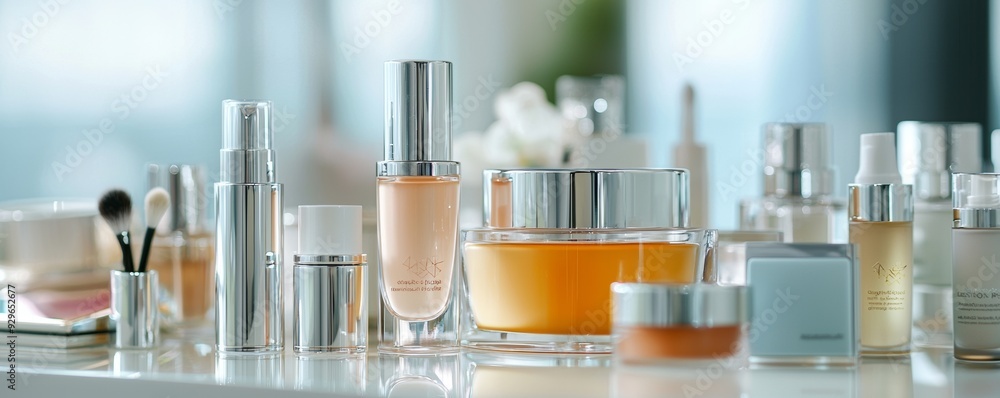
Natural Glow: Unlocking the Power of Skincare with Mother Nature
Ditch the Chemicals: How Natural Cosmetics Products Are Revolutionizing Skincare for Healthier Skin! Ditch the Chemicals: How Natural Cosmetics Products Are Revolutionizing Skincare for Healthier Skin! I. Understanding Natural Cosmetics A. Definition and Key Characteristics Frankincense: Frankincense for skin has been treasured for centuries for its remarkable benefits. Known for its ability to rejuvenate and repair skin, frankincense is a powerhouse in the world of skincare. It helps reduce the appearance of wrinkles, scars, and stretch marks, giving your skin a smooth, youthful look. Natural collagen for the skin. Argan oil, celebrated for its hydration and antibacterial benefits. Argan oil moisturizer is a luxurious skincare product prized for its nourishing and hydrating properties. Extracted from the kernels of the argan tree native to Morocco, argan oil is rich in essential fatty acids, antioxidants, and vitamin E, making it an excellent choice for maintaining healthy, glowing skin. Its lightweight texture allows it to absorb easily, providing deep hydration without leaving a greasy residue. This makes it suitable for all skin types, including oily and sensitive skin. Regular use of argan oil moisturizer can help improve skin elasticity, reduce the appearance of fine lines, and protect against environmental damage. Additionally, it can soothe dry, irritated skin, making it a versatile addition to any skincare routine. Argan oil, is a moisturizing miracle. Rich in vitamin E, antioxidants, and essential fatty acids, it hydrates and nourishes your skin, leaving it soft, supple, and glowing. When these two ingredients come together, they create a potent blend that is perfect for your skincare routine.


